
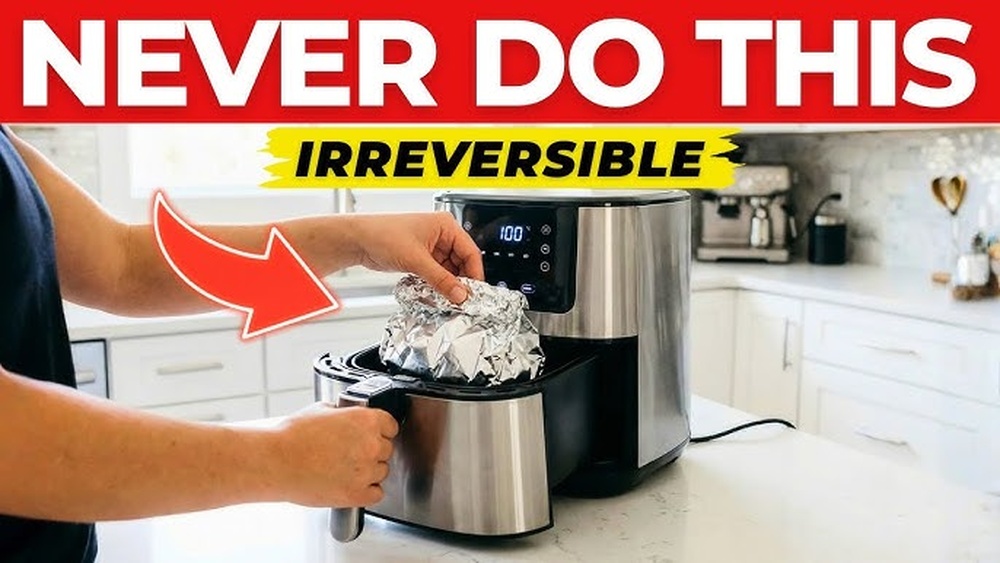

Are you struggling to get perfect, crispy results from your air fryer? You’re not alone.
Many people make simple mistakes that ruin their food without even realizing it. These errors can lead to soggy textures, uneven cooking, or even burnt meals. But don’t worry—once you know what to avoid, you can unlock the full potential of your air fryer and enjoy delicious, restaurant-quality dishes every time.
Keep reading to discover the 15 most common air fryer mistakes and how to fix them—your taste buds will thank you!

Credit: airfryereats.com
Overcrowding The Basket
Overcrowding the air fryer basket is a common mistake that ruins food texture and taste. Many users try to cook too much food at once, hoping to save time. This causes uneven cooking and soggy results. Air fryers need space for hot air to move freely. Without that space, food won’t crisp up properly. Avoid filling the basket beyond its capacity for the best results.
Why Crowding Affects Cooking
Hot air circulates around the food to cook it evenly. Crowding blocks this airflow. Some pieces cook faster while others remain undercooked. Moisture gets trapped between crowded pieces. This leads to soggy and greasy food instead of crispy. Crowding also increases cooking time because heat cannot reach all surfaces.
Optimal Basket Filling Tips
Fill the basket only halfway or less. Leave space between food pieces for air circulation. Cook in batches if needed. Arrange food in a single layer for even heat exposure. Shake or turn food halfway through cooking to improve crispness. Use the right basket size for your recipe to avoid overcrowding.
Skipping Preheating
Skipping preheating is a common mistake many make with air fryers. It might seem like a time-saver. Yet, it can change how your food cooks. Preheating sets the right temperature before adding food. Without it, cooking results may be uneven or take longer.
Impact On Cooking Time
Not preheating means the air fryer starts cold. The food heats slowly at first. This delay adds extra minutes to cooking time. Foods may end up undercooked or dry. The hot air needs time to circulate well around the food. Starting with a cold basket reduces this airflow efficiency.
When To Preheat Your Air Fryer
Preheat when recipes call for it. Most foods benefit from a hot start. Frozen items, like fries or nuggets, need preheating. It helps crisp the outside quickly. Some delicate foods, like fish or baked goods, do not need preheating. Check your recipe or manual to know for sure.
Using Too Much Oil
Using too much oil in an air fryer can spoil your food. The air fryer needs little oil to cook well. Excess oil makes food greasy and soggy. It also adds unwanted calories. The goal is crispy and tasty food without drowning it in oil.
Balancing Crispiness And Health
Air fryers cook by circulating hot air. This method needs only a small amount of oil. Too much oil blocks the hot air. It stops food from getting crispy. Use just a light spray or a teaspoon of oil. This keeps food crunchy and less oily. It also helps keep meals healthier.
Best Oils For Air Frying
Choose oils with a high smoke point for air frying. Oils like avocado, canola, and peanut work well. These oils handle heat without burning. Olive oil is good but use it sparingly. Avoid heavy or strongly flavored oils. They can change the taste of your food. Use fresh oils for the best flavor and health benefits.

Credit: www.youtube.com
Not Shaking Or Turning Food
Not shaking or turning food in an air fryer is a common mistake. It causes uneven cooking and can leave some parts raw or burnt. Food cooks best when hot air reaches all sides. Without moving food, some pieces stay cold inside or get too dark outside. This affects taste and texture. For crispy, well-cooked meals, shaking or turning food is key.
Ensuring Even Cooking
Food needs space and air to cook evenly in an air fryer. When food stays still, heat can’t reach all surfaces equally. This creates hot spots and cold spots. Shaking or turning moves food around. It exposes all sides to hot air. This helps food cook thoroughly and become crispy. It stops some parts from burning while others stay raw.
How Often To Shake Or Flip
Shake or flip food halfway through cooking time. For example, if cooking takes 20 minutes, shake at 10 minutes. For small pieces like fries or nuggets, shake every 5 to 7 minutes. Larger items, like chicken breasts, need flipping once or twice. Check your recipe for best times. This simple step improves cooking results and food texture.
Ignoring Food Size And Thickness
Ignoring the size and thickness of food is a common air fryer mistake. Food cooks at different rates depending on its size. Thick pieces need more time, while thin ones cook faster. Not adjusting for this can leave food undercooked or burnt. Paying attention to size and thickness improves cooking results and flavor.
Adjusting Time And Temperature
Change cooking time based on food thickness. Thicker items need longer at a lower temperature. Thin pieces cook quickly with high heat. Start with recommended times but check often. Use a food thermometer to ensure safety. Adjusting time and temperature prevents overcooking or raw centers.
Cutting Tips For Consistency
Cut food into even pieces for uniform cooking. Similar sizes cook evenly and finish together. Avoid mixing thick and thin pieces in one batch. Small, uniform cuts help crisp the food well. Take a moment to prep food properly before cooking. This step saves time and improves taste.
Cooking Wet Batter Foods
Cooking wet batter foods in an air fryer often leads to disappointing results. The air fryer uses hot air to cook food, which does not suit wet batters. The batter can drip through the basket or stay soggy, ruining the texture and taste. Many people try to cook items like tempura or battered fish directly in the air fryer, but this usually ends badly.
Why Wet Batter Doesn’t Work
Wet batter needs deep oil to cook properly. The oil surrounds the food, making the batter crispy and golden. Air fryers circulate hot air, not oil. This causes the batter to stay wet or drip off. The hot air can dry the batter unevenly, leaving some parts raw or sticky.
Also, wet batter can stick to the air fryer basket. This makes cleaning hard and can damage the coating. The batter can fall through the holes, creating a mess below. These problems make cooking wet batter foods in an air fryer a bad idea.
Alternatives For Battered Foods
Try using dry coatings like breadcrumbs or crushed cereal instead of wet batter. These stick well and crisp nicely in the air fryer. Lightly spray the food with oil for a golden finish. Another option is to use a thin layer of flour mixed with spices to coat the food.
You can also bake wet batter foods in the oven or deep fry them for best results. These methods handle wet batter better and create the desired crispy texture. Air fryers work best with dry or lightly coated foods rather than wet batters.
Using The Wrong Accessories
Using the wrong accessories in your air fryer can spoil your food. Not all kitchen tools work well with air fryers. Some tools can block air flow or cause uneven cooking. Others might even damage the appliance. Choosing the right accessories helps you cook better meals and protects your air fryer.
Compatible Tools For Air Fryers
Look for accessories made for air fryers. Silicone mats, metal racks, and non-stick baskets work well. Avoid plastic or wooden items that can melt or catch fire. Use small pans or trays that fit inside your air fryer. Make sure these tools do not block air circulation. Proper airflow is key to even cooking.
Avoiding Damage And Safety Risks
Using wrong tools can harm your air fryer. Non-compatible items may scratch the basket or heating element. This damage can cause sparks or smoke. Some materials release harmful fumes when heated. Always check if accessories are heat-resistant and safe for your model. Protect your air fryer and stay safe while cooking.
Not Cleaning The Air Fryer Properly
Not cleaning the air fryer properly can cause many problems. Food leftovers and grease build up inside. This can affect how your food tastes and how well your air fryer works. Dirt and old oil can give your food a bad flavor. It can also cause smoke or even damage the machine over time. Keeping your air fryer clean is key to cooking great meals every time.
Effects On Taste And Performance
Old food particles make new food taste strange. The oil and crumbs can burn and create a bitter smell. This smell sticks to your food. The air fryer might not heat evenly if it is dirty. This causes some parts of your food to cook wrong. Grease build up can make smoke. Smoke can fill your kitchen and harm the air fryer parts. A clean air fryer cooks better and lasts longer.
Easy Cleaning Techniques
Clean the basket and tray after each use. Use warm soapy water and a soft sponge. Avoid harsh scrubbers that can scratch the surface. Wipe the inside with a damp cloth to remove grease. Dry all parts well before using again. Check the heating element for crumbs and clean gently. Regular cleaning stops smells and keeps your food fresh. It also helps your air fryer work like new.
Overcooking Or Undercooking
Overcooking or undercooking food in an air fryer is a common issue. It can spoil the texture and taste of your meal. Air fryers cook food quickly, so timing is key. Small changes in cooking time or temperature can make a big difference.
Understanding how to avoid these mistakes helps you make better dishes. You get crispy, juicy food every time. Watch out for signs that show your food is not cooked right. Then, adjust the settings to fix the problem.
Signs To Watch For
Look at the color of your food. Dark brown or black means overcooked. Pale or raw spots show undercooking. Check the texture too. Hard and dry means too long. Soft or soggy means not enough time.
Smell gives clues. Burnt smell signals overcooking. A raw or bland smell means undercooked food. Use a fork or knife to check inside. If it is cold or raw, cook more. If it falls apart, cook less next time.
Adjusting Settings Based On Food
Different foods need different heat and time. Thin items like fries cook faster than thick chicken breasts. Lower the temperature for delicate foods like fish. Raise it for dense foods like potatoes.
Set the timer shorter for small portions. Increase it for bigger amounts. Stir or shake food halfway through cooking. This helps cook evenly and prevents burning. Keep notes of what works best for each food.
Ignoring Manufacturer Guidelines
Ignoring the manufacturer guidelines can spoil your air fryer results. These instructions help you use the appliance the right way. Not following them can lead to uneven cooking or even damage. Many people skip the manual, thinking they know how to use their air fryer. This mistake can cause food to turn out dry, burnt, or undercooked. Reading the guidelines helps you avoid these common issues. It also keeps your air fryer working longer and safer.
Why Manuals Matter
Manuals provide important details about your air fryer. They explain how to set the temperature and time properly. Different models may need specific settings for best results. Manuals also tell you what types of food work well in your fryer. They warn about unsafe practices that could harm the appliance or your food. Following the instructions helps you cook food evenly and retain moisture. They also include tips to clean and maintain your air fryer. Skipping the manual can lead to mistakes that ruin meals and reduce your air fryer’s lifespan.
Common Manufacturer Tips
Manufacturers often suggest preheating the air fryer before cooking. This step helps achieve crispier textures on your food. They recommend not overcrowding the basket to allow hot air to circulate. Overfilling can cause soggy or unevenly cooked food. Some foods need to be sprayed lightly with oil for better results. Many brands advise shaking the basket halfway through cooking. This action ensures all pieces cook evenly on all sides. They may also specify the best cleaning methods to avoid damaging the non-stick surface. Following these tips improves your food quality and keeps your air fryer in top shape.
Using Frozen Food Without Adjustments
Using frozen food in an air fryer is common. Many assume frozen items cook the same as fresh. This mistake can lead to uneven cooking or soggy results. Frozen foods need changes in time and temperature for the best outcome.
How Frozen Food Affects Cooking
Frozen food holds extra moisture. As it heats, water turns into steam. This steam can stop the food from crisping up. The cold temperature also slows the cooking process. Without adjustment, the outside might burn while the inside stays cold.
Frozen items often take longer to cook. They may release water during cooking. This can make the basket wet and food less crispy. Air fryers need more time to thaw and cook frozen food properly.
Best Practices For Frozen Items
Increase cooking time by at least 5 to 10 minutes for frozen food. Check the food halfway through to shake or flip it. This helps cook evenly and keeps food crispy. Preheat the air fryer for a few minutes before adding frozen food.
Set a slightly lower temperature than usual. This prevents burning the outside while the inside cooks. Avoid overcrowding the basket to allow hot air to circulate. Use a light spray of oil for better crispiness on frozen items.
Not Using Cooking Spray Or Oil Properly
Not using cooking spray or oil properly can spoil your air fryer meals. Food sticks to the basket. It cooks unevenly or dries out. Using the right amount of oil helps keep food crispy and tasty.
Some people think air fryers need no oil at all. That is not true. A little oil or spray helps food cook better. It also stops food from sticking and breaking apart.
Preventing Sticking
Food sticks when there is no oil on the basket. Spraying the basket before cooking creates a thin, even layer. This layer stops food from sticking and tearing.
Use non-stick cooking spray or brush a small amount of oil. Avoid over-spraying. Too much oil can cause smoke or soggy food.
Applying Oil Correctly
Do not pour oil directly into the basket. It pools and makes food greasy. Instead, use a spray bottle or brush to apply oil evenly.
Lightly coat the food with oil for the best results. Toss food in a bowl with oil before placing it in the fryer.
Oil helps heat spread and makes food crisp. Use oils with a high smoke point like avocado or canola oil.
Relying Only On Temperature Settings
Relying only on temperature settings can spoil your air fryer results. Many users believe setting the right temperature is enough. This is not true. Cooking time plays a big role in how your food turns out. Ignoring it can lead to undercooked or burnt meals. Balancing both temperature and time is key for perfect air fryer dishes.
Importance Of Timing
Timing controls how food cooks inside the air fryer. Too little time, and food stays raw inside. Too much time, and it becomes dry or burnt. Different foods need different cooking times. Vegetables cook faster than thick meats. Watch the clock closely to avoid mistakes. Timing ensures food cooks evenly and tastes great.
Combining Time And Temperature
Temperature and time work together to cook food properly. High temperature cooks food fast but risks burning. Lower temperature needs longer time but keeps food moist. Adjust both to match the type of food you cook. Check recipes for guidance on time and temperature. Experiment to find the best settings for your air fryer. This balance makes your food crispy outside and tender inside.
Overlooking Food Placement
Overlooking food placement in an air fryer is a common mistake. It affects cooking quality and taste. Correct placement allows hot air to reach all surfaces evenly. Uneven heat can cause some parts to burn while others stay raw.
Proper food arrangement helps achieve crispy, golden results. Crowding the basket blocks air circulation. This leads to soggy or undercooked food. Simple changes in placement make a big difference in your meals.
Maximizing Air Flow
Air fryers cook by circulating hot air around food. Space between pieces lets air move freely. Avoid stacking or piling food on top of each other. Leave small gaps for air to flow easily.
Use a single layer for best results. If cooking a lot, do it in batches. Too much food blocks airflow and slows cooking. Check that nothing blocks the fan or vents.
Arranging Food For Best Results
Place food in a way that exposes all sides to heat. Turn or shake food halfway through cooking. This ensures even browning and crispiness. Thin or small items should be spread out more.
Keep larger pieces separate to let heat reach inside. Avoid overlapping or crowding. Use racks or separators if your air fryer has them. Proper arrangement leads to better texture and flavor.
Using Paper Towels Incorrectly
Using paper towels in an air fryer can seem like a good idea. They absorb extra oil and help keep food crispy. But using them wrong can damage your food and your air fryer. Paper towels can block air flow or even catch fire. Knowing how to use them safely is important. This section explains common mistakes and how to avoid them.
Safety Concerns
Never let paper towels touch the heating element. They can catch fire easily. Avoid stuffing the air fryer basket with too many towels. This blocks hot air and causes uneven cooking. Use only small pieces of paper towel. Avoid using recycled or printed paper towels. These may release harmful chemicals when heated. Always check your air fryer manual. Some models warn against using paper towels.
Proper Use Of Liners And Towels
Use air fryer liners made for high heat. Perforated liners allow hot air to circulate. Place paper towels only under food, not on basket sides. Use a small piece to soak excess oil on greasy foods. Never cover the entire basket with paper towels. Secure towels with a little food weight to prevent movement. Replace towels after each use. Clean liners regularly to avoid buildup and smells.

Credit: airfryereats.com
Frequently Asked Questions
What Common Air Fryer Mistakes Affect Food Quality?
Common mistakes include overcrowding, wrong temperature, and skipping preheating. These cause uneven cooking and soggy texture, ruining your food’s quality.
How Does Overcrowding Ruin Air Fryer Results?
Overcrowding blocks hot air circulation. This prevents even cooking and crispiness, leading to soggy or undercooked food.
Why Is Preheating Important For Air Frying?
Preheating ensures the air fryer reaches the right temperature. This helps food cook evenly and develop a crispy exterior.
Can Using The Wrong Temperature Spoil Air Fryer Food?
Yes. Too high or low temperatures can burn or undercook food. Following recipe temperatures ensures perfect texture and taste.
Conclusion
Avoiding common air fryer mistakes makes a big difference. Cook food evenly by not overcrowding the basket. Use the right temperature and timing for each recipe. Shake or turn food halfway through cooking. Clean the air fryer regularly to keep it working well.
These small tips help you enjoy tasty, crispy meals every time. Keep practicing, and your air fryer skills will improve quickly. Simple changes lead to better results and happier meals.
